What People Regret About Moving to Florida (And How to Avoid It)
The 8 most common regrets people have after moving to Florida — from the heat and the bugs to insurance shock and hurricane anxiety — and the specific strategies that prevent every one of them.

In this article
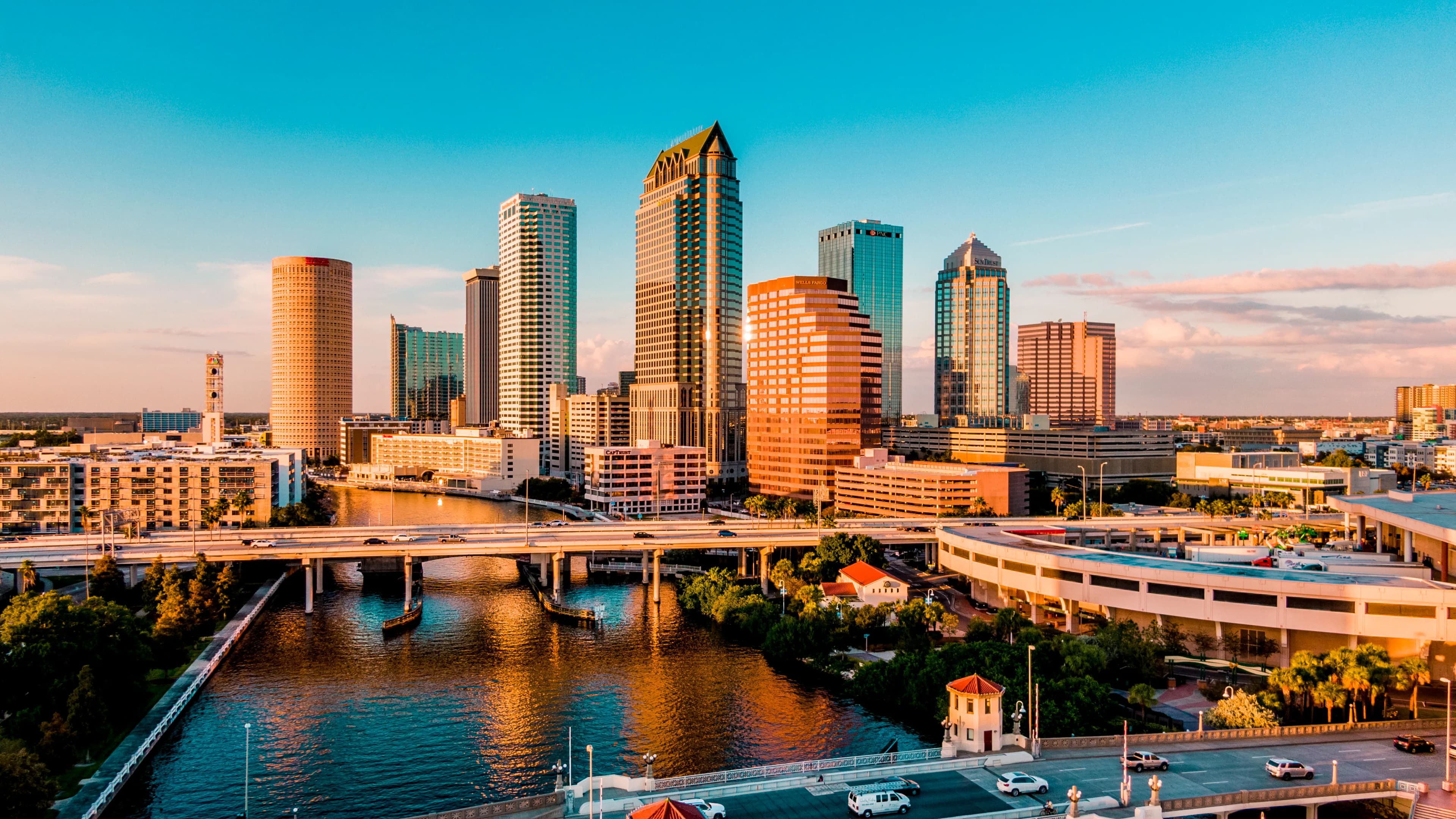
People are leaving Florida. For the first time in years, Tampa Bay landed on PODS' Top 20 cities people are moving away from in 2025 — a list it had never appeared on before. Net domestic migration to Florida dropped 93% from 2022 to 2025, falling from 310,892 new residents to just 22,517. The narrative is shifting, and the regret stories are everywhere on Reddit and in the news.
Here is the thing most of those articles miss: almost every Florida regret is avoidable. Not with optimism — with information. In the past couple years, we have helped over 50 buyers relocate to Tampa Bay. We have heard every regret, every surprise, every 'I wish someone had told me.' And Aubrey and I went through Hurricanes Helene and Milton back-to-back in 2024. We know what the hard parts actually feel like.
This is the post I wish existed for every buyer we've helped consider the move. Every common regret, completely honest, with the specific strategy that prevents it.
The Numbers Behind the Shift
Those numbers are real. But context matters. Florida still gained nearly 197,000 total new residents in 2025. More people still move in than out — roughly 1.1 new residents for every person who leaves. The boom has cooled, not collapsed. And the people who are happiest here are the ones who moved with their eyes open.
Regret #1: The Heat Is Different Here
Every transplant thinks they understand Florida heat. You do not. Not until you have lived through June, July, August, and September when average highs sit at 89-90 degrees with humidity pushing the heat index well past 100. This is not Arizona dry heat. This is standing-in-a-steam-room, your-sunglasses-fog-up-walking-outside heat. It starts in May and does not meaningfully break until late October.
St. Pete averages 89 degrees in August with 79% humidity. The daily afternoon thunderstorms roll in like clockwork between 3 and 5 PM — brief, violent downpours that raise the humidity even higher. Florida is the lightning capital of the United States. Your first summer thunderstorm will rattle your windows and set off every car alarm on the street.
How to Avoid This Regret
Flip your mental model. Summer in Florida is what winter is up north — your indoor season. Locals shift outdoor activities to early morning or late evening. Pools and beaches make the heat enjoyable instead of miserable. Budget $250-$400 per month for AC during peak summer (your electric bill will shock you the first July). And know that the trade-off is real: you get eight months of weather so perfect that every January morning on the lanai makes the summer worth it.
Regret #2: Insurance Costs Destroyed My Budget
This is the regret that hits hardest financially, and it blindsides more buyers than anything else. Florida homeowners insurance averaged $8,292 in 2025 — an 18% increase over 2024, driven largely by Hurricanes Helene and Milton generating roughly 300,000 claims. That is 181% more than the national average. And that is just homeowners insurance. Flood insurance is separate. Wind coverage is separate in some policies.
One of our buyers from New York budgeted $2,000 a year for insurance based on what he was paying up north. His actual Florida premium came in at $6,800 — for a home that was not even in a flood zone. That gap nearly derailed the deal.
The real cost breakdown on a typical $400K home in the Tampa Bay area can look like this: homeowners insurance at $4,500-$8,000 per year, flood insurance at $1,200-$3,000 if you are in a flood zone, and wind mitigation can save you up to 45% on that homeowners premium — but only if the home qualifies.
How to Avoid This Regret
Get insurance quotes BEFORE you make an offer, not after. This is non-negotiable. We tell every buyer to get preliminary quotes during the evaluation phase, not the closing phase. Ask about wind mitigation credits — homes built after 2002 to current Florida building codes often qualify for 20-45% premium reductions. Consider Zone X homes for lower mapped flood risk, while checking whether your lender or insurer requires coverage. And factor in the full annual carrying cost — mortgage plus insurance plus taxes plus utilities — before you fall in love with a listing price. Read our blog here for the real numbers.
Regret #3: I Miss Having Seasons
This one creeps up slowly. The first winter in Florida feels like a gift — 70 degrees in January while your friends back home shovel driveways. The second winter still feels good. By the third year, some people start to feel something unexpected: a flatness. No fall foliage. No first snowfall. No spring thaw. Christmas in shorts feels wrong. The seasonal rhythm that structured your year is just... gone.
Some transplants describe a kind of reverse seasonal affective disorder — not from lack of sunlight, but from the sameness. Florida has two seasons: hot and less hot. When every day looks the same out your window, the calendar loses its texture.
How to Avoid This Regret
Florida does have seasons — they are just different. Learn them. Manatee season runs November through March, when manatees gather in warm water springs and you can kayak alongside them. Strawberry season peaks in February at plant farms in Plant City. Stone crab season runs October through May. Snowbird season transforms the energy of the whole region from October through April — restaurants are packed, events are everywhere. And love bug season in May and September will remind you that nature still has a calendar here. The people who adjust best are the ones who find Florida's own rhythm instead of mourning the one they left behind.
Regret #4: The Bugs Are No Joke
Nobody prepares you for the palmetto bugs. Let me be clear about what a palmetto bug actually is: it is a cockroach. A two-inch-long, sometimes-flying cockroach that will appear in your home regardless of how clean you keep it. The first time one dive-bombs your head from a ceiling fan, you will question every life decision that brought you to this state.
And they are just the headliner. Mosquitoes are aggressive from April through October, especially near standing water after those daily summer rainstorms. No-see-ums — tiny biting gnats — swarm near beaches and waterways at dawn and dusk. Love bugs cover your car bumper in a thick crust twice a year during May and September. Fire ants build mounds in your yard that you will step on exactly once before learning to scan the ground everywhere you walk.
This is not an exaggeration. This is Tuesday in Florida.
How to Avoid This Regret
Budget for quarterly pest control from day one — roughly $40-$70 per month or $100-$225 per quarterly visit in the Tampa Bay area. A good pest control service is as essential as lawn maintenance in Florida. Seal your doors and windows properly. Keep garage doors closed. Do not leave pet food outside. Screen in your lanai and pool area if they are not already screened. And mentally recalibrate: palmetto bugs are a fact of life here, not a sign of a dirty house. Every single person in Florida has a palmetto bug story. You will too. Accept it, get pest control, and move on.
Regret #5: Hurricane Season Is Stressful
Hurricane season runs June 1 through November 30 — six months of watching weather maps and wondering if this is the year. For most years, for most people, it is not. But the anxiety is real, especially after 2024 when Helene and Milton hit Tampa Bay back-to-back.
Aubrey and I lived through both of them. I am not going to tell you it was easy. The preparation is exhausting — boarding windows, filling sandbags, stocking water and supplies, deciding whether to evacuate. The days before a storm are worse than the storm itself for most people. You are glued to spaghetti models, refreshing the National Hurricane Center every hour, and wondering if you should have bought that house in Tennessee instead.
Then there is the insurance dance afterward — documenting damage, filing claims, waiting for adjusters, fighting for fair payouts. Six hurricanes hit Florida between 2022 and 2024, four of them Category 3 or stronger. That is not normal historically, but it is what recent memory feels like.
How to Avoid This Regret
You cannot avoid hurricanes. You can avoid being unprepared for them. First, know your evacuation zone — Pinellas County has zones A through E, and knowing yours determines whether you stay or go. Second, buy a home built to current Florida building code (post-2002 construction withstands storms dramatically better than older homes). Third, have a hurricane kit and plan ready BEFORE June 1 — not when a storm is in the Gulf. Fourth, understand that preparation becomes routine. Your first hurricane season is terrifying. By your third, you have a checklist and a system. And fifth, check flood zone status before buying. Read our blog here to understand the real risk by neighborhood.
Regret #6: Everything Is Far Apart
Florida was built for cars, not pedestrians. Most of the state is strip malls connected by six-lane roads with no sidewalks. If you are coming from a walkable northeastern city, the car dependency can feel suffocating. You drive to the grocery store. You drive to dinner. You drive to the gym. You drive to pick up coffee. Your life becomes a series of parking lots.
People who move to Florida expecting the suburban convenience they saw on vacation — everything close, everything easy — often end up in communities where the nearest restaurant is a 15-minute drive and the nearest downtown with any energy is 30 minutes away.
How to Avoid This Regret
This is actually the easiest regret to avoid, because St. Pete is the exception to Florida's car-dependent rule. Downtown St. Pete has a Walk Score of 91 — Walker's Paradise territory, which is almost unheard of in Florida. The Pinellas Trail gives you 47 miles of car-free biking across the county. The SunRunner bus runs from downtown to St. Pete Beach every 15 minutes. Neighborhoods like Old Northeast, Kenwood, and the Edge District are genuinely walkable for daily life, not just vacations. The key is choosing your location with walkability as a priority, not an afterthought. Read our blog here and pay attention to the ones where you can park the car and forget it.
Regret #7: I Underestimated the Distance from Family
This is the most universal regret, and the one that consistently hits harder than anyone expects. The first few months are a honeymoon — everything is new and exciting, the weather is incredible, and the distance from home feels like an adventure. Then Thanksgiving arrives and you are watching your family gathering on FaceTime instead of being at the table.
It is not just the holidays. It is the casual Tuesday dinner with your parents. It is your best friend's birthday party. It is your niece's soccer game. The fabric of daily connection with the people you love does not survive distance intact. Video calls help, but they do not replace the spontaneous proximity that kept those relationships effortless.
We hear this from buyers constantly. One couple from Connecticut told us their first Christmas in Florida was one of the loneliest days they had experienced. By their second Christmas, they had established a new tradition of hosting family at their place — and their parents were thrilled to escape the cold.
How to Avoid This Regret
Accept that this adjustment is real and plan for it instead of pretending it will not happen. Budget for travel home — at least two to four trips per year in the beginning. Tampa International Airport (TPA) is excellent, with direct flights to most major northeastern and midwestern cities. Flight times: New York is 2.5 hours, Chicago is 2.5 hours, Boston is 3 hours, Philadelphia is 2.5 hours. Make your Florida home a destination — once family realizes they can visit you in January and trade snow for 70-degree weather, the dynamic shifts. And invest deliberately in building local community. The buyers we see who are happiest after year one are the ones who joined something here — a pickleball league, a running club, a neighborhood group, a church. The distance from family stops feeling like loss once the new life fills in.
Regret #8: The Cost Surprises Hit After Closing
Even buyers who think they have done the math get surprised by the costs that appear after they close. The big ones:
Property Tax Reset
Florida’s Save Our Homes cap limits annual increases in homesteaded assessed value to 3% or inflation, whichever is lower. It does not cap the tax bill itself. After a qualifying sale, reassessment generally happens the following January 1, based on just value rather than automatically on purchase price. Your taxes can be much higher than the seller’s, so get an estimate that includes your exemptions and any portability.
CDD Fees
If you buy new construction in a master-planned community — which is a lot of the inventory in fast-growing areas like Parrish, Wesley Chapel, and Lakewood Ranch — you will likely have a Community Development District fee. This is a bond that the developer took out to build roads, pools, clubhouses, and infrastructure, and homeowners repay it through their property tax bill. CDD fees typically run $2,000 to $5,000 per year, with some communities pushing past $6,000. Over 10 years, that is $20,000 to $60,000 in costs that many buyers do not factor in.
Flood Insurance (Even When You Do Not Expect It)
From January 2027, Citizens’ flood mandate extends to all remaining covered policies, including Zone X homes. Condo unit-owner, tenant-content, and wind/hail-excluded policies are exempt. FEMA is also actively reassessing Tampa Bay flood maps post-hurricane, expanding high-risk zones. A home that was in Zone X when the previous owner bought it might be in Zone AE by the time you close.
Utility Bills
Air conditioning runs nearly year-round in Florida. Summer electric bills of $250-$400 per month are common for a standard single-family home. That is not what people coming from the Northeast expect, where AC is a two-month seasonal expense.
How to Avoid This Regret
Pull the full tax history on any home you are considering — not just the current bill, but the assessed value versus market value gap that signals a coming reset. Ask about CDD fees explicitly and check the most recent tax statement for the line item. Get a flood zone determination before you make an offer, not after. And build a realistic monthly budget that includes insurance, taxes at YOUR assessed value, CDD if applicable, and summer utilities at peak rates. Our blog here breaks all of this down with actual numbers.
The Flip Side: What People Love That They Did Not Expect
After all of that honesty, here is the counterbalance: the surprises in the other direction. Because for every buyer who tells us about an adjustment, there is a list of things they did not expect to love.
- The January mornings. Sitting outside with coffee at 7 AM in a t-shirt while your friends back home scrape ice off their windshields. This never gets old. Buyers tell us this years later.
- The water lifestyle. Kayaking after work on a Tuesday. Paddleboarding at sunrise on a Saturday. Beach sunsets as a casual weeknight activity, not a vacation highlight. The proximity to water changes daily life in ways people underestimate.
- The food scene. Especially in St. Pete — independent restaurants with real range, not tourist-driven chain food. Multiple buyers have told us the dining scene was a genuine surprise.
- The community. Florida has a special thing going for it: everyone here chose to be here. Your neighbors are transplants too. There is a shared experience of having made a big life decision, and that creates a bond that people do not expect.
- The outdoor culture year-round. Running, biking the Pinellas Trail, fishing, boating — from October through May, Tampa Bay is one of the best places in the country to live an outdoor lifestyle. No gear, no layering, just go.
- No state income tax. People know about this intellectually. They do not feel it until the first year when they file taxes and realize they are keeping thousands more. For higher-income earners and retirees with significant distributions, the savings are substantial.
- The sunsets. Gulf Coast sunsets over the water are genuinely spectacular. It sounds cliche until you see one from Fort DeSoto or Pass-a-Grille and understand why people pull over to watch.
Frequently Asked Questions
Is moving to Florida worth it in 2026?
For the right person with realistic expectations — yes. Florida still offers year-round outdoor lifestyle, no state income tax, world-class beaches, and a quality of life that is hard to match. What has changed is that the cost advantage has narrowed. Insurance is higher, home prices have risen significantly since 2021, and hurricane seasons have been active. The buyers who are happiest are the ones who budget for the full cost, understand the climate trade-offs, and choose their location carefully.
What percentage of people regret moving to Florida?
There is no definitive survey, but the pattern is consistent: people who move with accurate information about costs, climate, and lifestyle adjustments rarely regret it. The regret comes almost entirely from unmet expectations — people who expected the vacation version of Florida and encountered the daily-life version. The fact that Florida still gains nearly 200,000 new residents per year, even with slowing migration, suggests the overall experience is positive for most.
What is the most common regret about moving to Florida?
Distance from family and friends, consistently. Insurance cost shock is a close second. Both are manageable with planning — budget for travel home and get insurance quotes before you commit to a purchase — but both hit harder than people anticipate.
Are the bugs in Florida really that bad?
Yes. Palmetto bugs (large cockroaches), mosquitoes, no-see-ums, fire ants, and love bugs are all real and all part of daily life. Quarterly pest control service ($40-$70 per month) is essential, not optional. The bugs do not go away, but with proper pest control and sealed entry points, they become manageable background noise rather than a crisis.
How do people in Florida deal with hurricane anxiety?
Preparation replaces anxiety. Experienced Floridians have a hurricane kit stocked before June 1, know their evacuation zone, and have a plan for where they go if a major storm approaches. The first hurricane season is the hardest — by the second or third, most people have systems in place and the anxiety drops significantly. Choosing a home built to current building codes and outside of high-risk flood zones also reduces both physical risk and mental stress.
Is St. Pete a good place to move to in Florida?
St. Pete solves several of the most common Florida regrets. It has a Walk Score of 91 downtown (eliminating the car-dependency problem), a thriving arts and food scene (eliminating the cultural boredom problem), and distinct neighborhoods with real character. It is not immune to the heat, the bugs, or hurricane risk — those are statewide realities — but it offers a quality of daily life that most Florida cities cannot match. Read our full breakdown of living in St. Pete for the honest pros and cons.
Should I rent before buying in Florida?
If your timeline allows it, renting for 6-12 months is one of the smartest moves you can make. It lets you experience a full summer, understand which neighborhoods actually fit your lifestyle, learn the insurance and cost landscape firsthand, and make a purchase decision from a position of knowledge rather than vacation-fueled excitement. Not every buyer has this luxury, but those who do consistently make better long-term decisions.
The Bottom Line
Every regret on this list is real. And every single one is avoidable — not by pretending Florida is perfect, but by going in with the full picture.
The buyers who love it here are the ones who understood the heat before their first summer, budgeted for insurance before they made an offer, accepted the bugs before they unpacked, and planned for the distance from family before it hit them at Thanksgiving. They did not move to Florida expecting paradise. They moved expecting a trade-off — and they decided the trade-off was worth it.
That is the difference between the people who tell everyone they know to move here and the ones who sell after two years.
Ready to Make the Move the Right Way?
Aubrey and I help relocating buyers navigate every one of these issues before they become regrets. We will walk you through flood zones, insurance costs, neighborhoods, and the full monthly budget so nothing surprises you after closing. No sales pitch — just an honest conversation about whether Tampa Bay fits your life. book call here.
Licensed Real Estate Agents · Excellecore Real Estate
Relocation specialists who've helped over 50 buyers move to Tampa Bay. Featured on HGTV House Hunters. They specialize in honest, data-driven neighborhood breakdowns for out-of-state buyers.