Is St. Pete, Florida Actually a Good Place to Live?
The honest answer from someone who lives here and helps buyers relocate. Pros, cons, flood zones, insurance costs, and who this city is really for.
In this article
Short answer: yes, St. Pete is a good place to live — but it's not for everyone, and the things that make it great come with trade-offs that most relocation articles won't tell you about. Aubrey and I have lived here, worked here, and helped over 50 buyers relocate to Tampa Bay. We went through Hurricanes Helene and Milton back-to-back in 2024. We know the insurance costs, the flood zones, the summer heat, and the bridge traffic. We also know why we'd still choose St. Pete over anywhere else in Florida.
This is what we'd tell you if we were sitting across a table — the good, the bad, and who this city actually fits.
St. Pete at a Glance
The 7 Best Things About Living in St. Pete
1. Walkability That's Rare in Florida
Downtown St. Pete has a walk score of 91 — "Walker's Paradise." That's almost unheard of in Florida, where most cities were designed around cars. You can park once and walk Central Avenue, Beach Drive, the St. Pete Pier, and dozens of restaurants and shops without moving your car. The city-wide score drops to 43 (car-dependent), so where you buy matters. But if walkability is a priority, downtown St. Pete delivers in a way almost no other Florida city can.
The Pinellas Trail gives you 46 miles of car-free biking and running across the county. And the SunRunner bus runs from downtown to St. Pete Beach every 15 minutes — actual functional public transit, which is a rarity here.
2. Arts and Culture That Punch Above the City's Weight
St. Pete isn't just a beach town. The Dali Museum houses the world's largest collection of Salvador Dali's work outside of Spain — over 2,400 objects including 96 oil paintings. The Chihuly Collection draws around 160,000 visitors per year. The Morean Arts Center pulls in another 90,000. Central Avenue is lined with murals, independent galleries, and the Imagine Museum.
Then there's the Saturday Morning Market — the largest outdoor market in the Southeast with over 170 vendors and roughly 10,000 visitors every week. It's not a tourist trap. It's where locals actually go.
3. Gulf Beaches 15 Minutes Away
From downtown, you're 15 to 20 minutes from some of the best beaches in the country. Fort DeSoto has been voted the top beach in the United States multiple times. St. Pete Beach, Treasure Island, and Pass-a-Grille are all within easy reach. You don't have to plan a beach day — you just go.
4. Real Neighborhood Character
This is one of the things people underestimate until they visit. St. Pete has distinct neighborhoods that each feel completely different — Old Northeast with its brick streets and waterfront parks, the Warehouse Arts District, Historic Kenwood's bungalows, the Edge District's restaurants and breweries. It's big enough to have everything you need (population ~271,000, 5th largest city in Florida) but small enough that you run into people you know.
Want a deeper dive into specific neighborhoods? Read our guide to the best neighborhoods in St. Pete for 2026.
5. A Food Scene That's Actually Good
St. Pete's restaurant scene isn't tourist-driven chain food. It's independent restaurants with real range — from upscale seafood on Beach Drive to Vietnamese on Central to tacos in the Grand Central District. The city has quietly emerged as one of the better food cities on the Gulf Coast, and the density of quality options downtown means you don't need to drive across town for a good meal.
6. Growth and Investment (The City Is Betting on Itself)
Downtown's population grew 11% over the last five years. The commercial vacancy rate is just 5.6%, compared to 19% nationally — meaning businesses are filling space, not leaving it. The Gas Plant District, an 86-acre redevelopment site just west of downtown, is one of the largest urban redevelopment projects in the Southeast. The city is also investing $33 million in flood mitigation infrastructure.
St. Pete isn't a city coasting on tourism. It's actively investing in becoming more livable.
7. The Weather (Obviously)
Around 360 days of sunshine per year. Mild winters where 60 degrees feels cold. You can kayak, paddleboard, bike, or run outdoors every month. If you're coming from somewhere with real winters, the lifestyle shift is massive. The trade-off is summer — but we'll get to that.
The 6 Real Downsides of Living in St. Pete
Here's where most articles fall apart. They either skip the cons entirely or list them so vaguely they're useless. These are specific, and for each one we'll tell you the flip side.
Why People Love St. Pete
- ✓Walk score of 91 downtown — one of the most walkable cities in Florida
- ✓World-class arts and culture (Dali Museum, Chihuly, Saturday Morning Market)
- ✓Gulf beaches 15-20 minutes from downtown
- ✓Distinct neighborhoods with real character and community feel
- ✓Strong growth: 11% downtown population increase, 5.6% commercial vacancy
- ✓Independent food scene — not chain-driven tourist restaurants
- ✓~360 days of sunshine, outdoor lifestyle year-round
The Real Trade-Offs
- ✗45.9% of properties in a flood zone — insurance costs are significant
- ✗Hurricane risk is real (Helene and Milton hit back-to-back in 2024)
- ✗Summer heat and humidity are brutal from June through September
- ✗Bridge traffic adds 20-30 minutes if you commute across the bay
- ✗Cost of living has risen sharply — no longer a budget-friendly city
- ✗Downtown gets crowded October through April (tourist season)
1. Flood Zones and Insurance Costs
This is the big one. About 45.9% of properties in St. Pete sit in a flood zone, and Florida homeowners insurance is among the most expensive in the country. That's a real cost that can add hundreds of dollars per month to your housing expenses. You can't ignore it.
The flip side: not all of St. Pete is in a high-risk flood zone. Kenwood, Crescent Heights, and Disston Heights have Zone X properties, where lender and insurer requirements still need to be checked. And Pinellas County's Community Rating System (CRS) discount can save you up to 40% on National Flood Insurance Program premiums. The key is knowing which zones you're buying in before you start looking.
We wrote a detailed breakdown of every flood zone in St. Pete and what it means for buyers. Read the full St. Pete Flood Zones Buyer's Guide.
2. Hurricane Risk
Hurricanes Helene and Milton hit Tampa Bay back-to-back in late 2024. Aubrey and I went through both of them. It's not theoretical — it's real, and it's something every buyer needs to understand before moving here.
The flip side: preparation and knowing your evacuation zone matter far more than fear. Most of the severe flooding damage was concentrated in specific coastal and low-lying areas. Choosing the right neighborhood, understanding your zone, and having a hurricane plan are how people here manage the risk — not by pretending it doesn't exist.
3. Summer Heat and Humidity
June through September is hot. Not "warm" — hot. High humidity, daily afternoon thunderstorms, and temperatures in the low-to-mid 90s. If you've never lived in a subtropical climate, the first summer is an adjustment.
The flip side: you adapt. Every building has AC. You shift your outdoor activities to mornings and evenings. And the trade-off is that you never shovel snow, never scrape ice off your windshield, and you can be outside comfortably from October through May. Most people who move here say the heat is worth the 8 months of perfect weather.
4. Traffic and Bridge Congestion
If you need to cross Tampa Bay regularly, add 20 to 30 minutes just for the bridge. Rush hour on I-275 can be painful in both directions. The Howard Frankland Bridge construction has added to the headache.
The flip side: if you pick the right side of the bay, you rarely need to cross. Most people who live and work in St. Pete or Pinellas County don't deal with bridge traffic daily. Remote workers especially — this is a non-issue if you're not commuting to Tampa.
Trying to decide which side of the bay? Read our St. Pete vs. Tampa comparison to figure out which fits your lifestyle.
5. Cost of Living Is Rising
St. Pete is not the affordable hidden gem it was five years ago. The median home price has climbed significantly, and when you add insurance and property taxes, your monthly housing cost is higher than most people expect. Buyers with a strict budget under $300K will find limited options in St. Pete proper.
The flip side: it's still more affordable than Miami, Naples, Sarasota, or most comparable coastal cities with this level of walkability and culture. And compared to where many relocators are coming from — New York, Boston, Chicago, the DC area — it's a significant cost-of-living improvement, especially when you factor in no state income tax.
6. Tourist Season Crowds
From October through April, downtown St. Pete gets packed — especially on weekends. Parking gets harder, restaurants get louder, and Beach Drive turns into a scene. If you're someone who avoids crowds, peak season weekends downtown can feel overwhelming.
The flip side: locals learn the rhythm fast. Go early on weekends, know the side streets for parking, and discover the restaurants that tourists haven't found yet. The tourist season also means the local economy stays strong year-round, which keeps businesses alive and neighborhoods thriving.
Who St. Pete Is For
- Remote workers who want walkability plus beach access without the Miami price tag
- People who value arts, culture, and independent restaurants over chain everything
- Buyers who want a real neighborhood feel — not just a subdivision in a suburb
- Relocators from higher-cost markets (NYC, Boston, Chicago, DC) who still want urban amenities
- Active outdoor types — kayaking, paddleboarding, biking, and running year-round
Who St. Pete Is NOT For
- Anyone who needs to commute across the bay to Tampa every day
- Buyers with a strict budget under $300K looking in St. Pete proper (consider Parrish or Wesley Chapel instead)
- People who genuinely can't handle heat and humidity for 4 months of the year
- Buyers who want brand-new construction at scale — St. Pete is mostly established neighborhoods, not master-planned communities
What We'd Tell You Over Coffee
From Aaron & Aubrey
If you asked us off the record whether St. Pete is worth it, here's what we'd say: the flood zone and insurance situation is real, and you need to go in with your eyes open. The summer heat is an adjustment if you've never lived here. But the walkability, the culture, the neighborhood feel, the food — there's nothing else like it on Florida's Gulf Coast. We chose to live here, we chose to build our business here, and after going through two hurricanes in one season, we're still here. That should tell you something.
The buyers who are happiest here are the ones who did their homework before they moved — they understood the flood zones, they budgeted for insurance, and they picked a neighborhood that matched their lifestyle. The ones who struggle are the ones who fell in love with Beach Drive on vacation and didn't think about the practicalities.
If you're serious about making the move, we'd love to walk you through it. Not a sales pitch — just an honest conversation about what makes sense for your situation.
Ready to Talk?
Book a free relocation call with us. We'll cover neighborhoods, flood zones, insurance, and what your budget actually gets you in St. Pete. No pressure, just real answers. Book here.
Key Facts: St. Petersburg, Florida
| Category | Detail |
|---|---|
| Population | ~271,000 (2026 est.), 5th largest city in FL |
| Growth Rate | 0.73% annually |
| Downtown Walk Score | 91 (Walker's Paradise) |
| City-Wide Walk Score | 43 (car-dependent) |
| Beach Proximity | 15-20 min from downtown to Gulf beaches |
| Pinellas Trail | 46 miles of car-free biking/running |
| SunRunner Bus | Downtown to St. Pete Beach every 15 min |
| Saturday Morning Market | 170+ vendors, ~10K weekly visitors |
| St. Pete Pier | 26 acres, 5 restaurants, opened 2020 |
| Dali Museum | 2,400+ objects, 96 oil paintings |
| Flood Zone Coverage | 45.9% of properties in a flood zone |
| Gas Plant Redevelopment | 86 acres, one of SE's largest urban projects |
| Flood Mitigation Investment | $33M city investment |
Frequently Asked Questions
Is St. Pete, Florida safe?
Like any city of 271,000 people, safety varies by neighborhood. Downtown, Old Northeast, Snell Isle, Shore Acres, and most of the established residential neighborhoods are safe and walkable. As with any relocation decision, we recommend researching specific neighborhoods rather than looking at city-wide crime stats, which can be misleading. We're happy to walk you through neighborhood-level safety in a relocation call.
Is St. Pete better than Tampa?
It depends entirely on what you prioritize. St. Pete offers better walkability, a stronger arts and culture scene, and closer beach access. Tampa has more job options if you work in-person, a larger metro feel, and more new construction. Many buyers choose based on where they'll work and whether they want an urban-neighborhood feel (St. Pete) or a larger-city feel (Tampa).
What is the cost of living in St. Pete?
St. Pete's cost of living has risen, and the median home price reflects that. When you factor in property taxes, homeowners insurance, and potentially flood insurance, your monthly housing cost may be higher than the sticker price suggests. That said, there's no state income tax in Florida, which partially offsets housing costs for many relocators. The real number depends on which neighborhood and flood zone you're buying in.
Does St. Pete flood a lot?
Parts of St. Pete are flood-prone — about 45.9% of properties are in some type of flood zone. But flood risk varies dramatically by neighborhood and elevation. Areas like Kenwood, Crescent Heights, and Disston Heights sit in Zone X with minimal flood risk, while coastal and low-lying areas carry more exposure. Understanding the specific zone of any property you're considering is essential.
Is St. Pete a good place to retire?
St. Pete is popular with retirees for good reason: walkable downtown, world-class museums, excellent restaurants, year-round outdoor activities, and no state income tax. The mild winters are a major draw. The considerations are the same as for any buyer — insurance costs, flood zones, and summer heat. If those are manageable for your situation, St. Pete offers one of the best retirement lifestyles on the Gulf Coast.
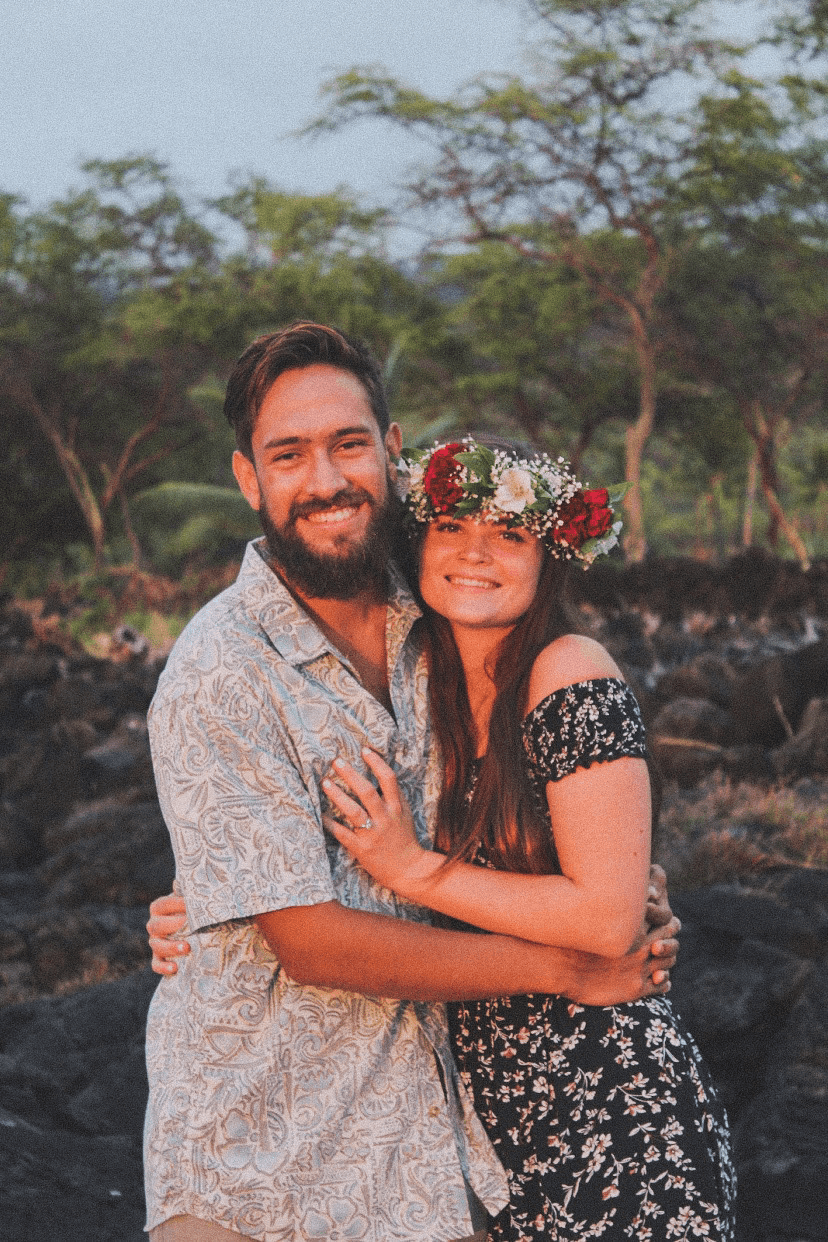
Licensed Real Estate Agents · Excellecore Real Estate
Relocation specialists who've helped over 50 buyers move to Tampa Bay. Featured on HGTV House Hunters. They specialize in honest, data-driven neighborhood breakdowns for out-of-state buyers.


